Business Name: BeeHive Homes of Hamilton
Address: 842 New York Ave, Hamilton, MT 59840
Phone: (406) 545-5737
BeeHive Homes of Hamilton
At BeeHive Homes of Hamilton, we’re more than an assisted living residence — we’re a true home. Nestled in the heart of the Bitterroot Valley, our intimate, homelike setting is designed to offer peace of mind to residents and their families alike. With just a handful of residents per home, we ensure that every individual receives the personal attention, dignity, and respect they deserve. Locally owned and operated, our leadership team brings over 20 years of experience in caring for older adults. We are deeply rooted in the community and proud to foster an environment where friends and family are always welcome — just like home.
842 New York Ave, Hamilton, MT 59840
Business Hours
Monday thru Sunday: 8:00am to 5:00pm
Instagram: https://www.instagram.com/beehivehomeshamilton/
Tiktok: https://www.tiktok.com/@beehivehomesofhamilton
Facebook: https://www.facebook.com/BeeHiveHomesofHamilton
Choosing the ideal setting for an older adult is among those decisions that feels both urgent and overwhelming. Families typically call me after a fall, a hospitalization, or a sudden scare, and the first sentence is almost always the exact same: "I do not even understand where to begin."
The problem is that we use "senior care" as if it were something. It is not. Independent living, assisted living, nursing homes, and respite care all serve extremely different purposes. When you understand what each succeeds, and just as notably what it does not do, the course forward becomes clearer.
This guide strolls through how these settings compare in everyday reality, not simply on glossy pamphlets. The objective is to assist you match a real person, with real strengths and constraints, to the ideal level of support.
How the main senior care settings differ in practice
On paper, the differences look tidy. Independent living is for active seniors. Assisted living includes aid with everyday jobs. Nursing homes provide 24/7 knowledgeable nursing. In truth, the lines blur, and every structure has its own culture.
It helps to believe less about labels and more about 3 axes:
How much hands on assist with day-to-day activities is available. How much medical oversight and monitoring exists on site. How much control the person keeps over their schedule and lifestyle.Each type of elderly care balances those three aspects differently.
Independent living: lifestyle initially, assistance second
Independent living neighborhoods are frequently the very first formal step in senior care, though lots of citizens do not believe of them as "care" at all. They see them as a much safer, much easier method to live without the problem of home maintenance.
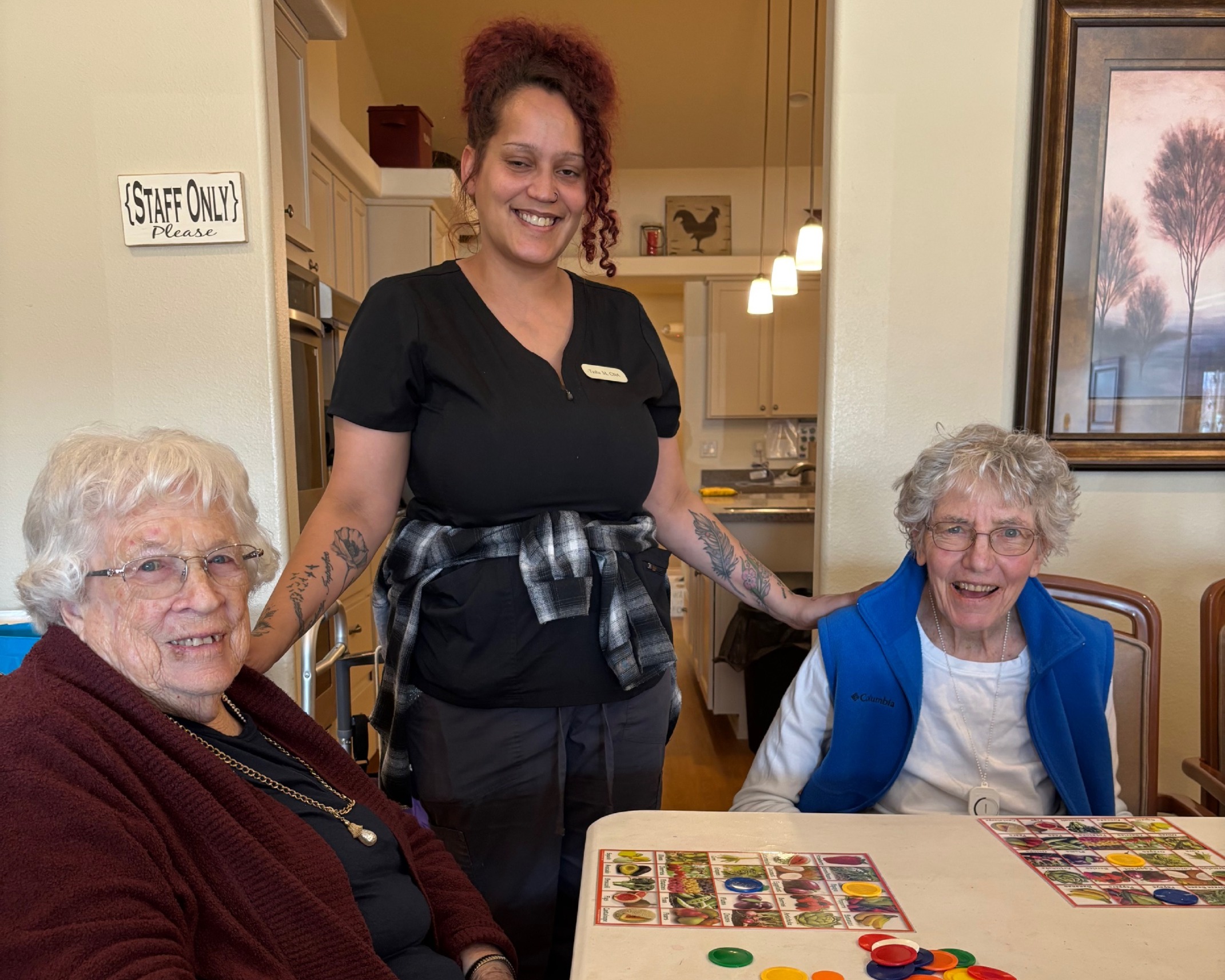
These neighborhoods generally provide private apartments, communal dining, house cleaning, upkeep, scheduled transport, and a calendar of social and wellness activities. Personnel are present, but they are not there to supply hands on personal care.
From the resident's point of view, independent living feels closest to regular apartment life. They lock their own door, select their own routines, and decide which services to use. The safeguard is lighter: pull cords, emergency situation pendants, and staff who can react to an event, however not always a nurse in the building 24/7.
Independent living can be a strong fit when:
- The person is still able to manage individual care, medications, and mobility with little or no help. Driving is ending up being difficult or unsafe and they need transport solutions. Loneliness is sneaking in and social isolation is a concern. The home environment has become too much, such as stairs, lawn work, or continuous repairs.
What independent living does refrain from doing well is continuous medical management. If your parent has unstable heart failure, needs insulin modifications, or deals with complex wound care, an independent setting will likely rely heavily on outside home health nurses and frequent clinic visits. Personnel may notice that "something is off," however they are not there to handle medical crises.
A common misunderstanding is that personnel in independent living will instantly "watch" on citizens' medication adherence, nutrition, and hydration. Some neighborhoods provide additional charge based wellness checks, but the baseline expectation is independence. Problems can go unnoticed longer than families recognize, particularly if the resident is personal or reducing their struggles.
Assisted living: day-to-day assistance and a mid level of oversight
Assisted living sits in between independent living and nursing homes. It is created for individuals who can no longer manage safely by themselves, yet do not need constant skilled nursing care.
Residents normally reside in private or semi personal homes. The building design might look similar to independent living, but the staff mix and expectations vary. Aides are readily available to assist with what specialists call activities of daily living: bathing, dressing, grooming, toileting, transferring, and sometimes eating. Medication administration is frequently a significant service, with personnel organizing tablet boxes, advising homeowners, and physically handing out medications.
Nursing existence in assisted living varies. In some states, policies require a nurse on website for a particular variety of hours each day. In others, a nurse might be shared throughout a number of structures or offered on call. That difference matters for individuals with more than regular medical needs.
In useful terms, assisted living works well when someone:
- Needs routine aid with several individual care tasks, such as showering, dressing, or getting safely in and out of bed. Has medication programs that they can not reliably handle alone. Is at threat of falls and takes advantage of more frequent check ins. Has mild to moderate cognitive decrease however can still take part meaningfully in daily decisions.
Compared to independent living, there is more structure in assisted living. Meals are normally served at set times, care tasks are set up, and staff paperwork is more official since of regulatory expectations.
Families in some cases presume assisted living can "do whatever" except a ventilator. That is not precise. Assisted living is not a mini hospital. Typical limitations include:
- No capability for constant heart, oxygen, or telemetry monitoring. Limited ability to handle complex behavioral concerns in advanced dementia. Restrictions around feeding tubes, complex IV medications, or frequent suctioning. Inconsistent capacity to handle late phase Parkinson's or other conditions that need intensive, hands on care sometimes per hour.
When requires move beyond what assisted living can safely offer, nursing homes (likewise called competent nursing facilities) enter the picture.
Nursing homes: medical care and 24/7 supervision
Nursing homes offer the highest level of care in the basic senior care continuum short of a medical facility. They are certified as healthcare centers, staffed with nurses and assistants all the time, frequently with on site access to physical, occupational, and speech therapy.
Residents in nursing homes generally fall into two broad categories. First are brief stay clients who come for rehab after a hospital stay, for example following a hip fracture or stroke. Second are long term homeowners whose persistent conditions or functional constraints are too comprehensive for assisted living.
In a nursing home, every resident has an individualized care plan evaluated regularly by an interdisciplinary team. Medication management is detailed. Important signs and weight are tracked. Laboratory draws, wound treatments, catheter care, and oxygen modifications are part of regular operations.
That level of oversight is vital for individuals who:
- Need proficient nursing services everyday or near daily. Cannot reliably transfer or reposition themselves, raising risk for pressure injuries. Have advanced dementia with substantial behavioral issues or wandering. Require complex medical equipment such as feeding tubes or regular IV medications.
The trade off is environment and autonomy. Nursing homes feel more scientific. Shared rooms are common, particularly under Medicaid financing. Daily regimens are shaped around staff workflows and medical requirements. Citizens still have rights and choices, but that freedom exists inside a healthcare framework.
One useful point: families typically ask whether moving a loved one to a nursing home implies "quiting." In my experience, it is better framed as matching the intensity of support to the intensity of need. For somebody who is hazardous without very close monitoring, a nursing home can lower emergency room visits, provide structure to days and nights, and alleviate household caregivers who have actually been running at an unsustainable pace.
Respite care: short-term relief and test drives
Respite care is the most misconstrued piece of elderly care. Rather of being a long term positioning, respite is momentary care supplied to give the normal caretaker a break or to bridge a transition.
Respite can take place in a number of settings:

- In home, where a paid caregiver or nurse comes for a set variety of hours or days. In assisted living or nursing homes, where the individual stays for a restricted period, often 1 to 30 days. In adult day programs, where the individual attends throughout daytime hours only.
Families often find respite care after a crisis, such as a caregiver's hospitalization or burnout. Used proactively, it can avoid those crises. I have actually seen spouses keep their loved one in the house for several years longer due to the fact that they integrated in a routine rhythm of respite, such as one weekend a month or a week each quarter.
Respite stays in assisted living also serve another important purpose: they let everybody see how an individual adapts to common living without a long-term commitment. You discover how they sleep, whether they join activities, and how much staff support they truly require. That details forms longer term decisions and can remedy overoptimistic or overpessimistic assumptions.
One limitation of respite care is accessibility. Communities may have designated respite homes, or they might provide respite just when a routine apartment is temporarily vacant. Planning ahead helps.
Comparing the settings side by side
Although I do not advise basing decisions exclusively on checklists, it helps to see how these care types line up on a few core dimensions.
|Aspect|Independent living|Assisted living|Nursing home|| ----------------------------|--------------------------------------------|---------------------------------------------------|---------------------------------------------------|| Primary focus|Way of life and convenience|Assistance with everyday tasks and basic health requires|Thorough medical and individual care|| Medical staff on site|Very little, typically none on website|Aides plus restricted nursing hours|Nurses and aides 24/7|| Personal care help|Not routinely offered|Yes, scheduled and as needed|Yes, comprehensive and regular|| Medication management|Resident handled, some reminders possible|Staff handled and documented|Fully handled with pharmacy oversight|| Common resident profile|Independent, socially oriented|Needs help with ADLs, some cognitive impairment|Considerable medical or cognitive needs|| House/ room type|Private homes|Personal or semi private apartments|Private or shared rooms, more scientific design|| Payment sources|Primarily personal pay|Mainly private pay, some waivers in some states|Mix of Medicare (short stay), Medicaid, private|
This table streamlines a messy truth. Laws differ by state, and specific neighborhoods extend or narrow their service lines within those restrictions. When you tour, you are not simply looking at the category. You are examining how that specific building interprets its role.
Signs that independent living may no longer be enough
Many families postpone shifts because they fear upsetting their loved one, or they hope that "a bit more assist" will suffice. That is reasonable. Still, specific patterns typically signify that independent living no longer matches the person's needs.
Examples include repeated medication errors, such as missed doses, double dosing, or confusion about new prescriptions. Another red flag is increased participation from the neighborhood's staff. If housekeeping, dining space groups, or front desk staff respite care are frequently calling you about concerns, they may already be stretching beyond what their role allows.
Frequent falls, even if minor, recommend that mobility or judgment has altered. So do episodes of getting lost within the structure, leaving stoves on, or blending day and night. When next-door neighbors start functioning as de facto caretakers, signing in several times a day, the plan is starting to exceed what independent living can safely support.
The natural next step for much of these residents is assisted living in the exact same school, if readily available, or in a similar community. Familiar surroundings reduce the shift, particularly for someone with cognitive impairment.
When assisted living reaches its limits
On the surface area, assisted living may look calm and capable. Homeowners are dressed, public spaces tidy, and staff seem attentive. Below, personnel may currently be pressing their licensed scope of practice to keep particular locals stable.
Practical tipping points include:
- Recurrent hospitalizations for infections, cardiac arrest, or breathing issues regardless of great daily care. Needs for 2 or more staff to securely move the individual, particularly if those transfers take place sometimes a day. Aggressive or risky behaviors associated with dementia that put other citizens or staff at risk. Complex medical devices that requires skilled oversight, not just basic training.
In those scenarios, even the best assisted living group eventually has to confess that a nursing home environment is much safer. This is not failure. It shows the different legal and useful structures under which each type of structure operates.
A basic process for choosing the ideal level of senior care
Families typically request for a formula. There is no best one, however there is a process that regularly clarifies thinking. Use the following as a working series, not a rigid rulebook.
Start with function, not age. Note what the person can do independently, what they can do with triggering, and what they can refrain from doing even with aid. Be extremely sincere about bathing, toileting, transfers, eating, and managing medications and money. Identify the top three safety issues. Falls, roaming, avoiding medications, driving, cooking, or vulnerability to frauds are all typical. Rank them by threat and effect. This matters more than counting diagnoses. Map existing assistance. Who is currently assisting and how typically: partner, adult kid, next-door neighbor, paid assistant, or no one. Consist of travel range, work schedules, and caregiver health. Lots of plans stop working since they assume more household schedule than really exists. Factor in medical intricacy. Consider how often the individual sees medical professionals, whether they need regular monitoring, and how quickly they decrease when sick. A fairly stable 90 years of age may fit assisted living much better than a clinically fragile 70 year old. Weigh values and choices. Some older adults would accept more threat to protect independence. Others prioritize security and medical backup. Put those wishes next to the truths above and ask where you can jeopardize and where you cannot.When households walk through this process on paper, the proper setting typically emerges. If function is high and security concerns are mostly about social seclusion, independent living might be sufficient. If personal care needs and medication complexity dominate, assisted living ends up being appealing. When safety and medical intricacy are both high, nursing home level care, potentially preceded by a respite stay, deserves serious consideration.
How cost and funding vary across settings
The monetary side of elderly care typically surprises individuals more than the psychological side. A couple of guiding principles assist set sensible expectations.
Independent and assisted living are mainly personal pay in the United States. Monthly charges frequently range from a couple of thousand dollars to upper four figures or more, depending on region, apartment size, and service levels. Some states provide Medicaid waiver programs that support assisted living for qualified low income homeowners, but slots are minimal and waiting lists common.
Nursing homes mix three primary payers: Medicare, Medicaid, and private pay. Medicare covers short term experienced stays after certifying hospitalizations under particular guidelines. It does not pay indefinitely for long term custodial care. As soon as Medicare coverage ends, residents either pay privately or, if eligible, shift to Medicaid. Medicaid becomes the primary payer for a large share of long stay residents.
Respite care can be paid out of pocket, through specific insurance plans, or in restricted cases through veteran advantages or local relief programs. Expenses differ extensively by setting, however daily rates in communities frequently align with their basic daily room and board plus care fees.
Before touring neighborhoods, it is a good idea to gather:
- Rough monthly budget plan from income and assets. Insurance details: Medicare Benefit vs standard Medicare, any long term care insurance coverage, veteran status. A sense of how long present resources should last, particularly if one partner is healthier and will outlast the other.
That financial map will not dictate every choice, yet it prevents heartbreaking surprises months into a placement.
Using respite care tactically, not simply in crisis
Families who grow over the long term often utilize respite care before they feel desperate. A daughter who looks after her mother at home may arrange a week of respite in assisted living twice a year, timed to her own busiest work durations. A boy might bring in in home respite every Saturday afternoon so he can attend his kids' games or just rest.
These prepared breaks serve a number of functions. They safeguard the primary caretaker's health, provide the older adult exposure to different environments and people, and test how well current support plans are working. If your loved one has a hard time significantly throughout a brief respite stay, that is information. It may suggest they need a various sort of setting faster than expected, or that more steady shaping of expectations is required.
I have likewise seen respite become a bridge during significant life events, like a caregiver's surgical treatment or relocation. Instead of hurrying into an ill fitting long term positioning, families utilize an one month respite stay while they figure out what follows. That buffer reduces pressure and enables more thoughtful choices.
When brother or sisters and households disagree
Disagreements about elderly care are nearly inevitable. One sibling may push for a nursing home, another insist that "Mom assured she would never ever go to a center." Underneath those positions frequently lies a mix of guilt, worry, and various memories of youth roles.

What helps is anchoring discussions in observable truths instead of analyses. Rather of "She is fine at home," specify the number of times someone helps her shower each week, how many falls taken place in the last month, or how often the stove was left on. Concrete information softens absolutist positions.
Bringing in a neutral expert evaluation can likewise break stalemates. Geriatric care managers, social employees attached to clinics or hospitals, or palliative care teams can evaluate medical records, observe function, and recommend proper levels of care. When a non household professional states, "Based on her existing needs, assisted living would be unsafe, she qualifies for nursing home care," it brings weight.
If possible, involve the older adult truthfully. Sugarcoating typically backfires. Numerous seniors value being dealt with as partners instead of as issues to be resolved in secret. The method you frame choices matters. Phrases like "We want to discover a place where you are safe and surrounded by individuals, and where we can visit as kids, not just as caregivers" frequently land better than "You can not live alone anymore."
Final thoughts: matching person, needs, and setting
All of these care settings exist for a factor. Independent living supports way of life and community when upkeep and driving become too heavy. Assisted living bridges independence and hands on assistance, supporting life for those who require daily assistance however not constant healthcare. Nursing homes focus knowledgeable resources around those who are most medically and functionally vulnerable. Respite care safeguards caregivers and offers everybody area to breathe.
The right option is the one that reasonably resolves present threats, anticipates near term changes, appreciates the older adult's worths as much as possible, and fits within monetary and family limits. Perfect solutions are rare. Good enough options, reviewed and changed with time, are not just possible but common.
Elderly care is not a one time choice. It is a progressing process. The more you comprehend what each setting genuinely offers, the much better equipped you are to make each step of that journey with clarity and compassion.
BeeHive Homes of Hamilton provides assisted living care
BeeHive Homes of Hamilton provides memory care services
BeeHive Homes of Hamilton provides respite care services
BeeHive Homes of Hamilton supports assistance with bathing and grooming
BeeHive Homes of Hamilton offers private bedrooms with private bathrooms
BeeHive Homes of Hamilton provides medication monitoring and documentation
BeeHive Homes of Hamilton serves dietitian-approved meals
BeeHive Homes of Hamilton provides housekeeping services
BeeHive Homes of Hamilton provides laundry services
BeeHive Homes of Hamilton offers community dining and social engagement activities
BeeHive Homes of Hamilton features life enrichment activities
BeeHive Homes of Hamilton supports personal care assistance during meals and daily routines
BeeHive Homes of Hamilton promotes frequent physical and mental exercise opportunities
BeeHive Homes of Hamilton provides a home-like residential environment
BeeHive Homes of Hamilton creates customized care plans as residents’ needs change
BeeHive Homes of Hamilton assesses individual resident care needs
BeeHive Homes of Hamilton accepts private pay and long-term care insurance
BeeHive Homes of Hamilton assists qualified veterans with Aid and Attendance benefits
BeeHive Homes of Hamilton encourages meaningful resident-to-staff relationships
BeeHive Homes of Hamilton delivers compassionate, attentive senior care focused on dignity and comfort
BeeHive Homes of Hamilton has a phone number of (406) 545-5737
BeeHive Homes of Hamilton has an address of 842 New York Ave, Hamilton, MT 59840
BeeHive Homes of Hamilton has a website https://beehivehomes.com/locations/hamilton/
BeeHive Homes of Hamilton has Google Maps listing https://maps.app.goo.gl/fpCde3DZGLsVCkV88
BeeHive Homes of Hamilton has Instagram page https://www.instagram.com/beehivehomeshamilton/
BeeHive Homes of Hamilton has an Tiktok page https://www.tiktok.com/@beehivehomesofhamilton
BeeHive Homes of Hamilton won Top Assisted Living Homes 2025
BeeHive Homes of Hamilton earned Best Customer Service Award 2024
BeeHive Homes of Hamilton placed 1st for Senior Living Communities 2025
People Also Ask about BeeHive Homes of Hamilton
What is BeeHive Homes of Hamilton Living monthly room rate?
Our rates are based on each resident’s unique care needs. We conduct an initial assessment to determine the appropriate level of care, and the monthly rate is set accordingly. You’ll never encounter hidden fees — just transparent, straightforward pricing
Can residents stay in BeeHive Homes until the end of their life?
In most cases, yes. We are honored to support our residents through every stage of aging. However, if a resident requires 24-hour skilled nursing or faces a significant safety risk, we may assist with transitioning to a more appropriate level of medical care
Do we have a nurse on staff?
While we do not have an on-site nurse, each home has access to a dedicated consulting nurse who is available 24/7. If nursing services become necessary, a physician can order licensed home health care to visit and provide support within the home
What are BeeHive Homes’ visiting hours?
We welcome family and friends! Visiting hours are flexible and can be tailored to each resident’s preferences — just avoid early mornings or very late evenings to ensure everyone’s comfort and rest
Do we have couple’s rooms available?
Yes! We offer rooms specially designed for couples who wish to stay together. Availability can vary, so please ask our team about current options
Where is BeeHive Homes of Hamilton located?
BeeHive Homes of Hamilton is conveniently located at 842 New York Ave, Hamilton, MT 59840. You can easily find directions on Google Maps or call at (406) 545-5737 Monday through Sunday 8:00am to 5:00pm
How can I contact BeeHive Homes of Hamilton?
You can contact BeeHive Homes of Hamilton by phone at: (406) 545-5737, visit their website at https://beehivehomes.com/locations/hamilton/ or connect on social media via Instagram Facebook or Tiktok
Claudia Driscoll Park offers open green space and walking paths where residents in assisted living, memory care, senior care, elderly care, and respite care can enjoy gentle outdoor relaxation.